

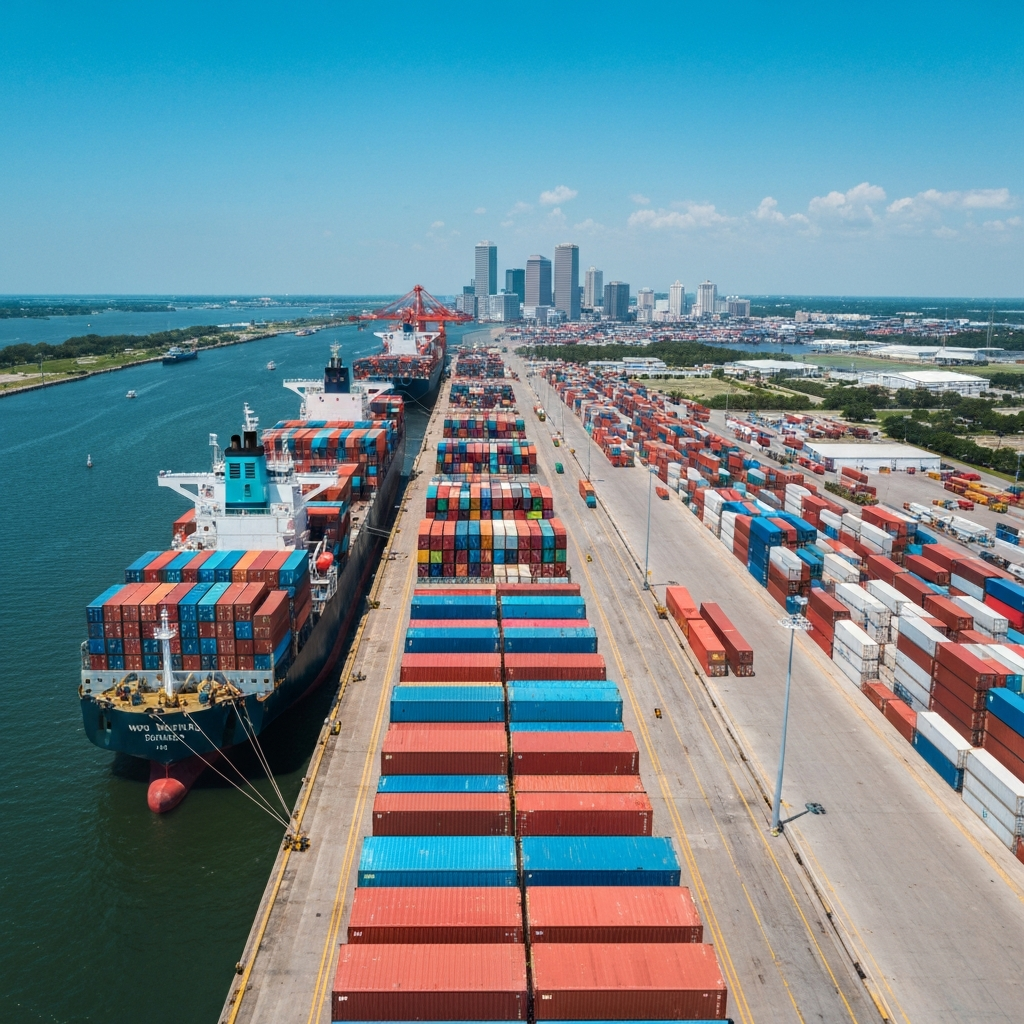
New Orleans stands as a testament to the confluence of diverse cultures and economic prowess, making it a significant player on the global stage. Its unique blend of French, Spanish, African, and other influences has cultivated a rich cultural tapestry that resonates worldwide.
Cultural Influence
The city’s musical heritage is particularly noteworthy. Recognized as the birthplace of jazz, New Orleans has given rise to genres like rhythm and blues and hip-hop subgenres such as bounce. Artists from the city have collaborated with international stars, bringing local sounds to global audiences. For instance, the bounce genre has influenced mainstream music, with artists like Big Freedia collaborating with Beyoncé, showcasing the city’s enduring impact on the music industry. Source
Beyond music, New Orleans’ culinary traditions have left an indelible mark. Dishes like gumbo, jambalaya, and beignets have transcended borders, introducing the world to flavors deeply rooted in the city’s history. This culinary influence underscores the city’s role as a cultural ambassador. Source
Economic Impact
Strategically located along the Mississippi River, the Port of New Orleans serves as a vital gateway for international trade. In 2025, the port reported a $101 billion economic impact, underscoring its significance in global commerce. This growth is attributed to increased container imports and improved schedule reliability, enhancing the port’s competitiveness. Source
Furthermore, the development of the Louisiana International Terminal is projected to generate over $33 million in annual tax revenues for St. Bernard Parish and create thousands of jobs, highlighting the region’s expanding role in international trade. Source
Conclusion
New Orleans exemplifies how cultural richness and economic strategy can position a city as a global hub. Its contributions to music, cuisine, and trade continue to influence and shape global trends, reinforcing its status as a city with both deep roots and far-reaching impact.